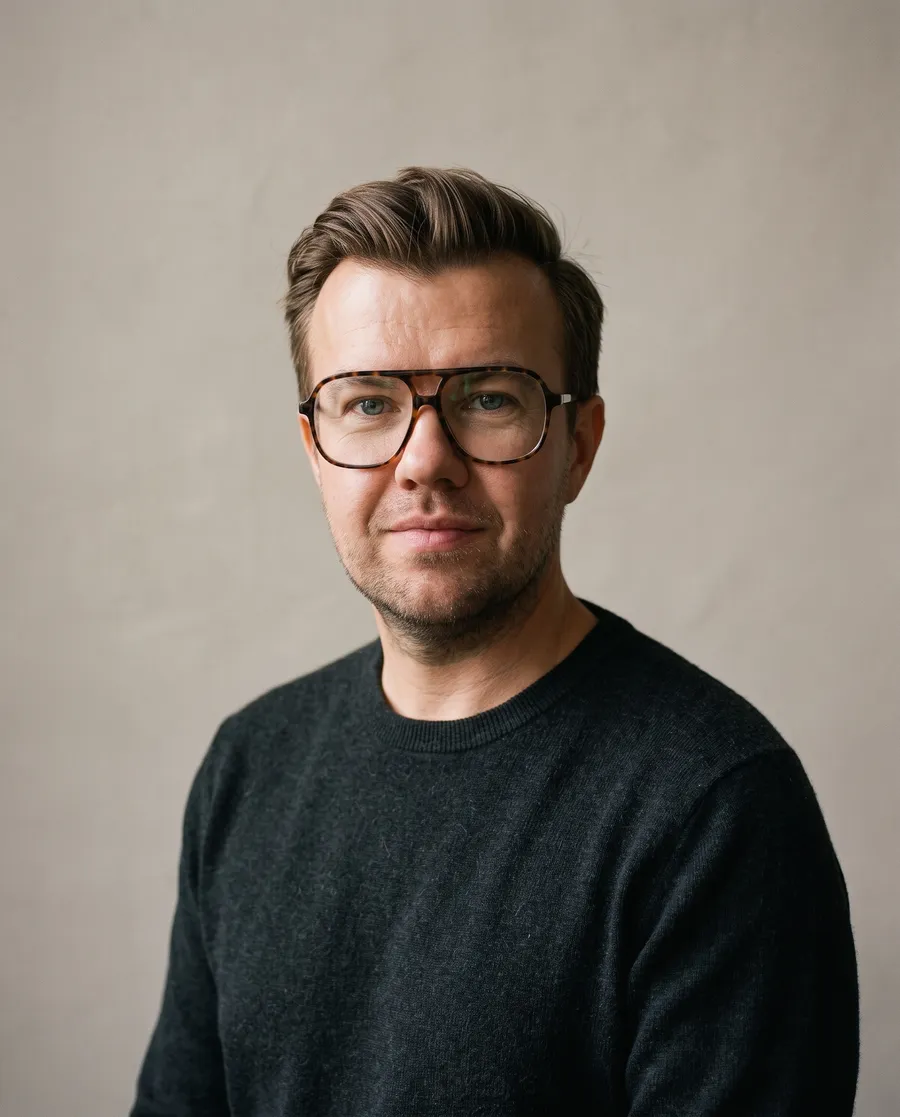
Marko Post
Tallinn --:--
Executive producer. Has run visual effects production for film and television since 2008.
TARU works with organisations that already use AI and want it to show in what they deliver. We look at how work moves between people, change it, and build what the new way needs.
If one of them sounds familiar, the rest of this page is for you.
Some people are much faster than a year ago and others have not changed. What the organisation gets depends on who picks up the task.
Writing, searching and summarising got faster. The waiting between people stayed as it was, and the waiting was most of the time.
Old budgets, client feedback, supplier notes and lessons learned live in folders and inboxes. People and their AI tools start from zero each time.
Client material, unreleased work and personal data make careful people hold back, while others use tools the organisation never approved.
Take one piece of work that needs ten working days from request to delivery, and mark the hours when someone is working on it. Then try the two switches.
Delivered in 10 working days
AI tools make the first switch easy. The second one asks for the work itself to change: who decides, in what order, and with what information in front of them.
Work moves between six desks. Some of it splits in two, some of it comes back. Each upgrade makes one desk faster. Watch where the work piles up, then choose.
1×work delivered, against the start
10 upgrades left
Tap any desk to make it faster. Start where the work piles up.
Upgrades speed up one desk at a time. Changing how the desks connect lifts the whole floor. AI budgets work the same way: speed added where work was not waiting changes nothing.
A simple model of an office, not your data.
Economists call it the productivity J-curve. A new general-purpose technology first costs time: people learn, two ways of working run side by side, mistakes get fixed. The gain comes later, to the organisations that also changed how the work is organised.
Licences are bought and people try things. Single tasks get quicker. What the organisation delivers barely moves.
Changing how work moves costs attention, and old and new ways run together for a while. Many organisations stop here.
The redesigned work settles. The same team delivers more and takes on work it used to turn down.
Our job is to keep the dip short and shallow.
The gain is in the work between people.
Lower cost is the small part. The larger part is what a team can do with capacity it did not have before.
Pitches, proposals and projects you decline today for lack of people become possible to take.
A client or a citizen who waits days for a reply can get one the same day, with a person still checking it.
Once what your organisation knows is findable and reusable, it can be offered in forms that used to cost too much to produce.
Four steps. Each one stands on the one before it and has a different next move. Find the one that sounds most like you.
We started in creative operations: agencies, studios, broadcasters, venues and events. The same method fits other organisations that run on projects, public ones included.
You probably got this link from one of us, or from someone we work with. We are three founders who have spent our careers running production and operations for large international clients.
Tallinn --:--
Executive producer. Has run visual effects production for film and television since 2008.
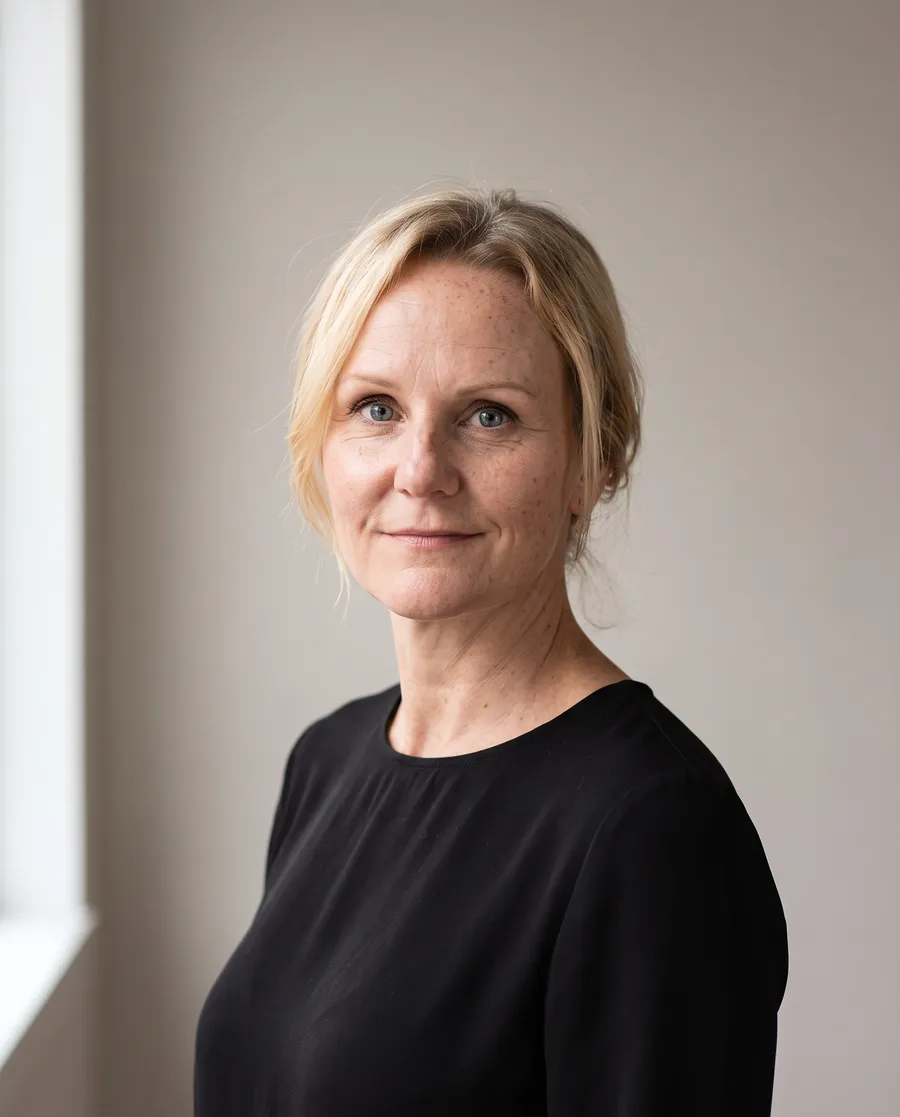
New York --:--
Nearly 13 years at TED, where she led partnership production for conferences on five continents.
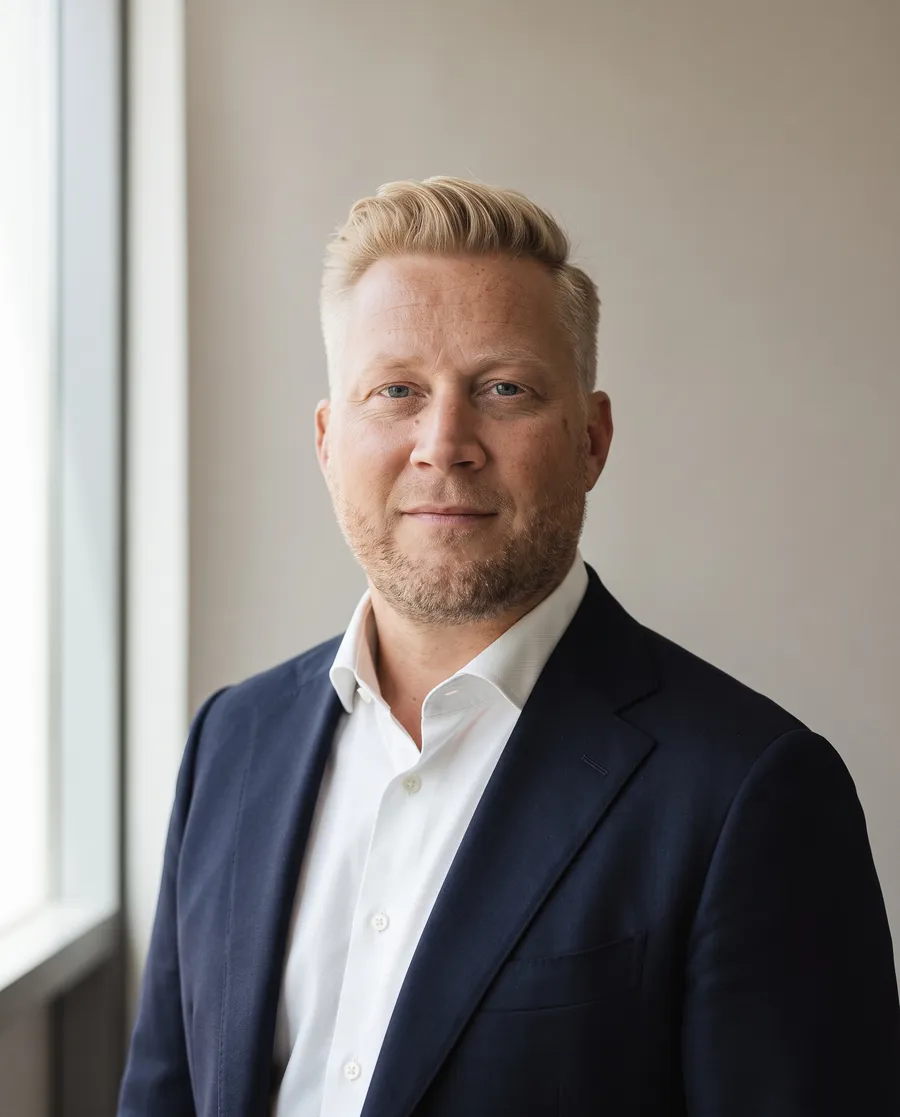
Dubai --:--
More than 25 years in broadcast, events and immersive experiences, six of them leading content for Al Wasl Dome in Dubai.
The first conversation is about your work. Bring one thing.